Our products
Producers from A to Z
Everything on this page is grown, harvested and bottled on our own land at Petrothalassa.
One
Spatholado
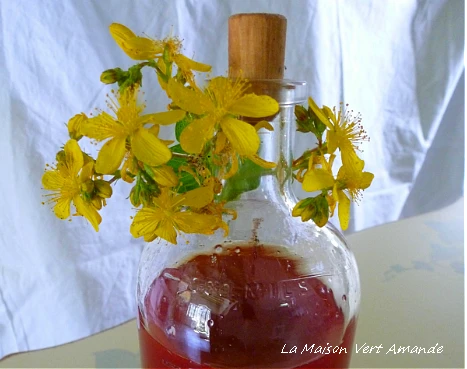
Spatholado — St John's wort oil — is recognised for its many properties. It was a famous cure of the Ancient Spartans, who healed their wounds with it after battle, and it remains an “essential medicine” from early times until our days.
The flowers bloom from the beginning of May until June. Officially Hypericum, it is one of the most common flowers of Greek flora and grows on uncultivated land. The plant is distinguished not only by its bright yellow colour but by its antidepressant, antiseptic, antioxidant, anti-inflammatory, astringent and healing properties. It also helps with sciatica, rheumatic pain, joint pain, bruises and first-degree burns, and is ideal for therapeutic and relaxing massage.
Its preparation is simple. The flower must be picked in the morning and prepared freshly harvested. The spatholado matures in the sun for about 40 days, macerating in high-quality olive oil, turning a deep red before being stored in a bright spot.
Here we insist on this: the secret comes from the olive oil, and we use the oil we produce ourselves. Spatholado found elsewhere is often poor quality, made with various seeds and oils that give it an unnatural colour. It should never be stored in plastic — only glass — and keeps for about a year.
NOTE: The oil must not be used during the day in the sun, nor by pregnant women.
Two
Honey
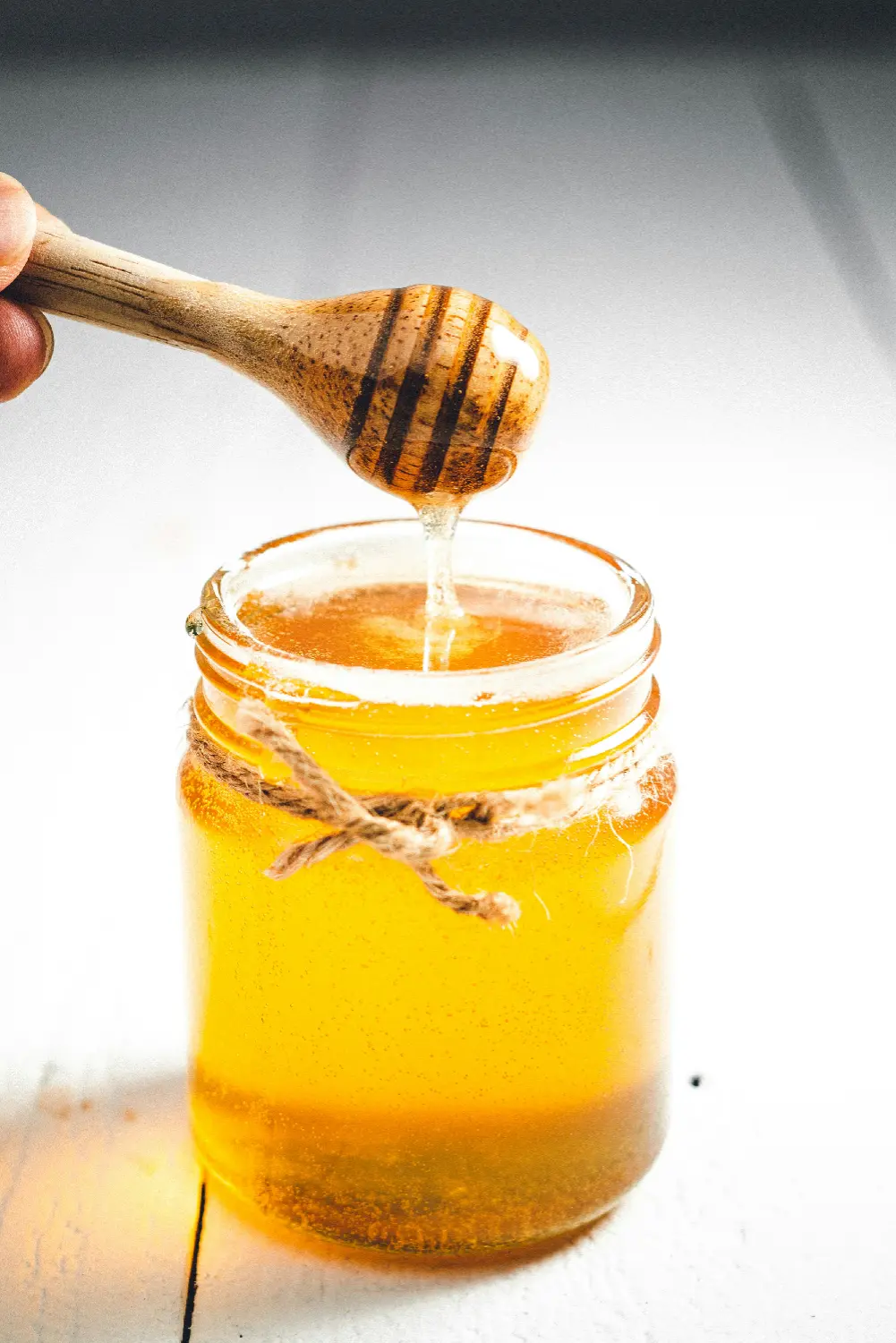
Honey has always enjoyed a noble path throughout the history of humanity. Its golden colour and harmonious flavours have made it a distinctive product: power, pleasure, energy, immunity. Its composition contains vitamins, minerals (calcium, phosphorus, iron, magnesium, potassium), enzymes, amino acids and organic compounds, along with pollen grains, yeast and flavonoids.
Since ancient times people were treated with honey — Hippocrates advised its use for open wounds and infections of the throat. It is better to sweeten our food with honey rather than sugar: honey contains primarily fructose and glucose, a slow sugar that suits sportspeople. Used in baking, it retains water, so honey cakes keep longer without drying out.
Our production is completely homemade and artisan. All the hives are around our farm at Petrothalassa, in the Peloponnese. We harvest with the greatest care and remove the honey by hand directly at its bottling site, to retain its subtle floral fragrance. We do not cut corners. We are producers from A to Z, and that makes all the difference.
Our honey is not heated and never comes from sown flora — it is locally foraged from the wildflowers around Petrothalassa. George has been a beekeeper for forty years; the swarms grow modestly each year, entirely dependent on the crop and the season.
Three
Olive Oil
Originally from the Mediterranean, the olive tree probably appeared 60,000 years ago in its wild form. The word “oil”, which appeared in the early 12th century, comes from the Latin oleum — olive oil. The tree is an emblem of eternity, peace and strength.
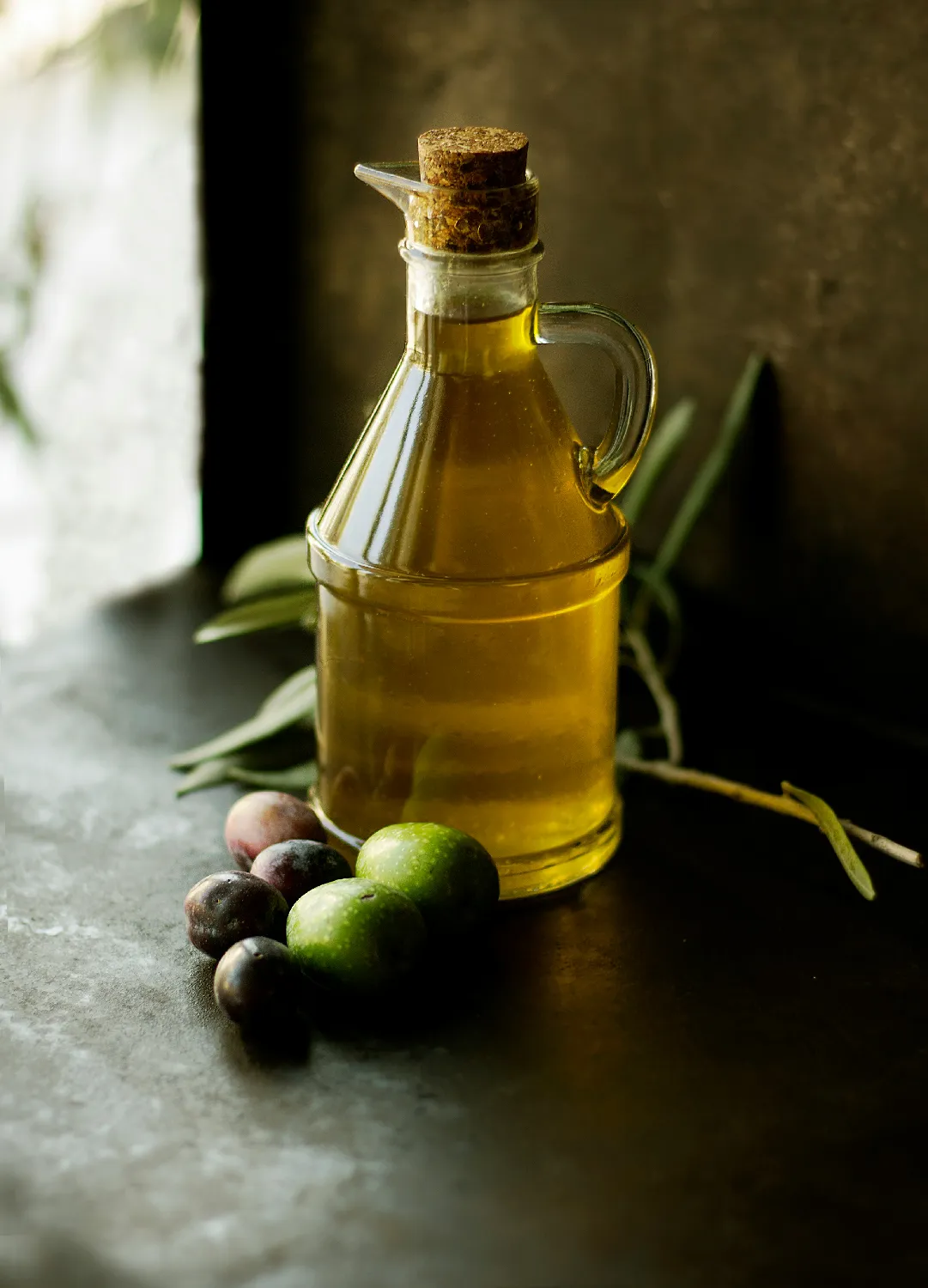
The benefits of the golden liquid include omega 9 and phenolic compounds with antioxidant properties. In the kitchen it accentuates salads, brings character to mashed potatoes and baked lamb, and excites the palate with sheep milk yoghurt and honey.
From olive to olive oil. Our harvest runs from November to January. Three phases — grinding the non-pitted olives, pressing the pulp, settling to separate the oil from the vegetation water — mingle patience and know-how. It takes about 5 kilos of olives to produce 1 litre of oil.
Choosing a good oil. Look for “extra virgin”, meaning acidity below 1%. The higher the acidity, the lower the quality. Choose a vintage oil: proof it is not a combination of two years, nor a mixture of oils from different countries.
Storing it. Keep it cool (15–20°C) and away from light. That is why we chose an elegant aluminium bottle that protects it perfectly. Our olives come exclusively from the grove of our farm at Petrothalassa, and the oil is sold directly from producer to consumer, without any intermediary. Its flavour is sweet and creamy, with a hint of freshness.
Recipe
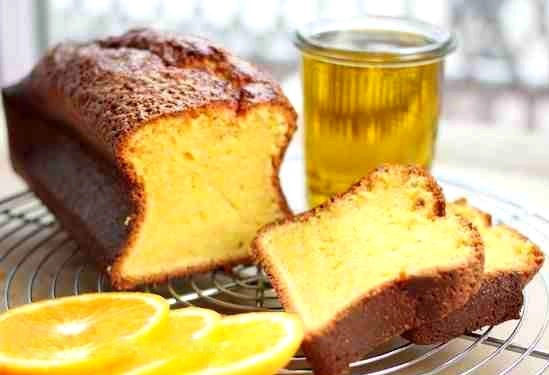
Olive Oil and Orange cake
- 7 cl olive oil
- 2 organic oranges
- 1 cup orange juice
- 5 g baking yeast
- 75 g ground almonds
- A pinch of saffron filaments
- 1/2 tsp salt
- 3 eggs
- 80 g flour
- 1 pinch of salt
- 150 g sugar
- 2 tbsp orange blossom water
- Optional: 3 drops sweet orange essential oil
Preheat the oven to 180°C. Mix the saffron with the olive oil. Zest the oranges, peel them raw, remove the seeds and purée them, then add the oil and saffron. Add the eggs one by one, then the sugar and orange blossom water. Combine the flour, yeast, ground almonds and salt in a bowl and blend into the mixture. Oil and flour a cake tin. Bake at 180°C for 30 minutes, then cover with foil, lower to 160°C and bake a further 30 minutes — a toothpick in the centre should come out dry.
Four
Marmalade
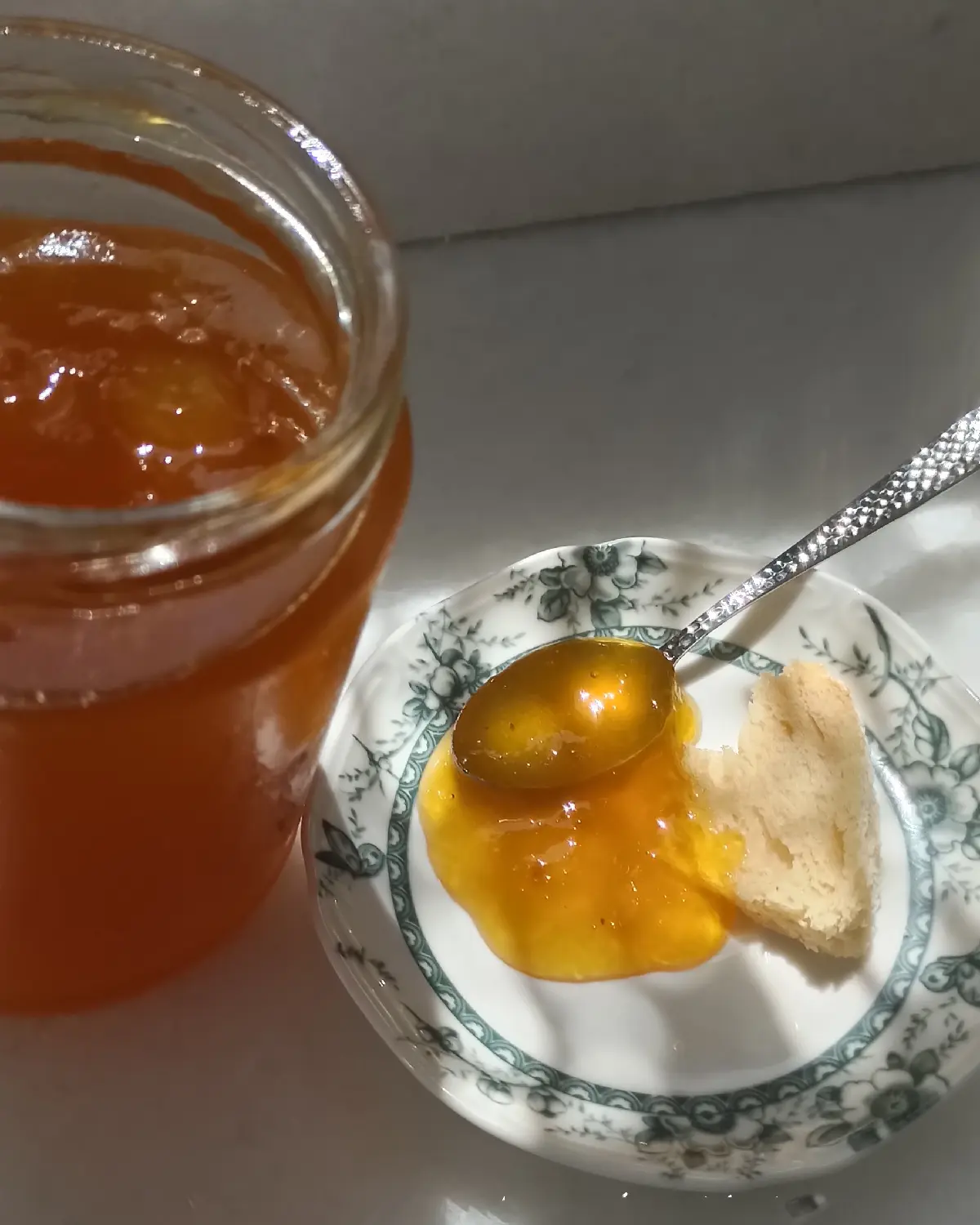
At La Maison Vert Amande we are fortunate to have many different fruit trees. Our fruit and vegetables are grown in an environmentally friendly way, without pesticides. The farm is a small, family-run business, and the jams are made using traditional methods — a simple pleasure for a special moment.
Far removed from industrial techniques, I make my jams by hand. I select the fruit with care, sort it meticulously, stone it exclusively by hand and cut it up one by one with a knife. I process the fruit in small batches and cook it in a traditional copper pot.
My jams are made from 100% fresh fruit harvested that very day, with no added preservatives, gelling agents, flavour enhancers or colourings. A quick cooking method, only a few kilos at a time, preserves the flavour, colour and texture.
The amount of sugar is determined by each fruit or fruit mixture. I use white sugar, the purest and most neutral, so only the fruit's own aroma comes through. The jams are very lightly sweetened and bottled while still hot, in jars sterilised at 200°C. As they are guaranteed preservative-free, keep them in the fridge once opened.